Monday - Friday 07:30 - 17:30, Saturday 07:30 - 16:00
Dulwich Wooden Floor Restoration, SE21
Back to Portfolio
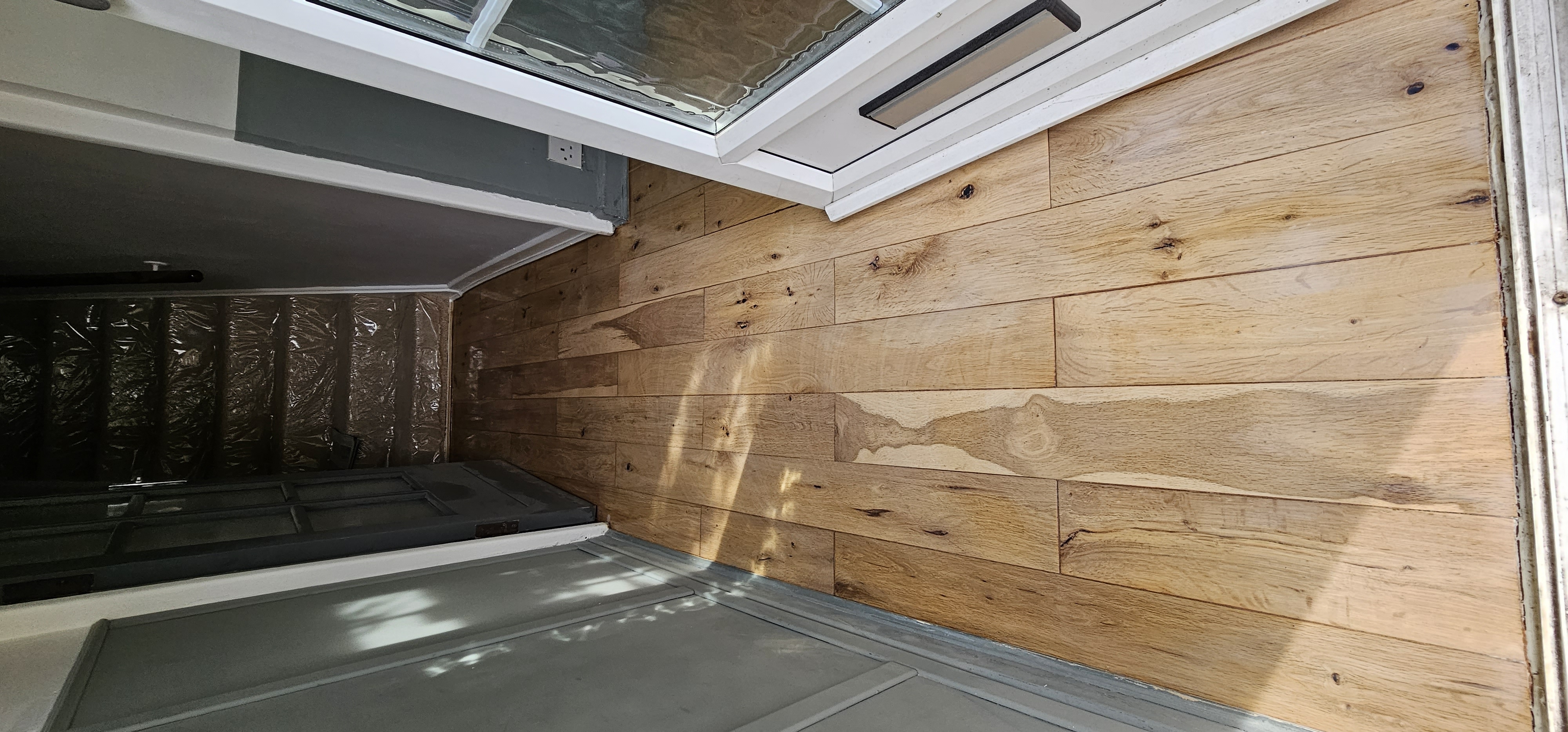
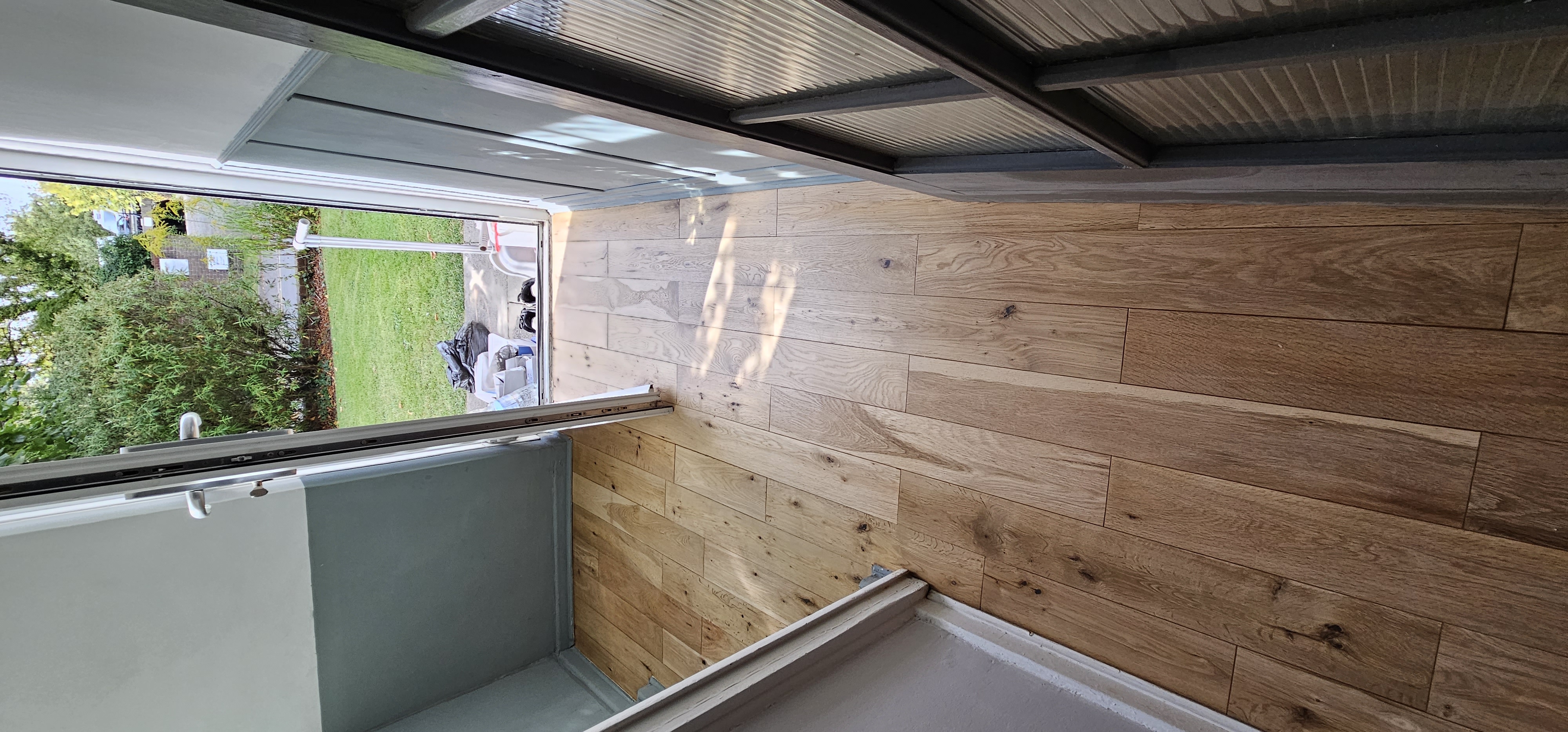
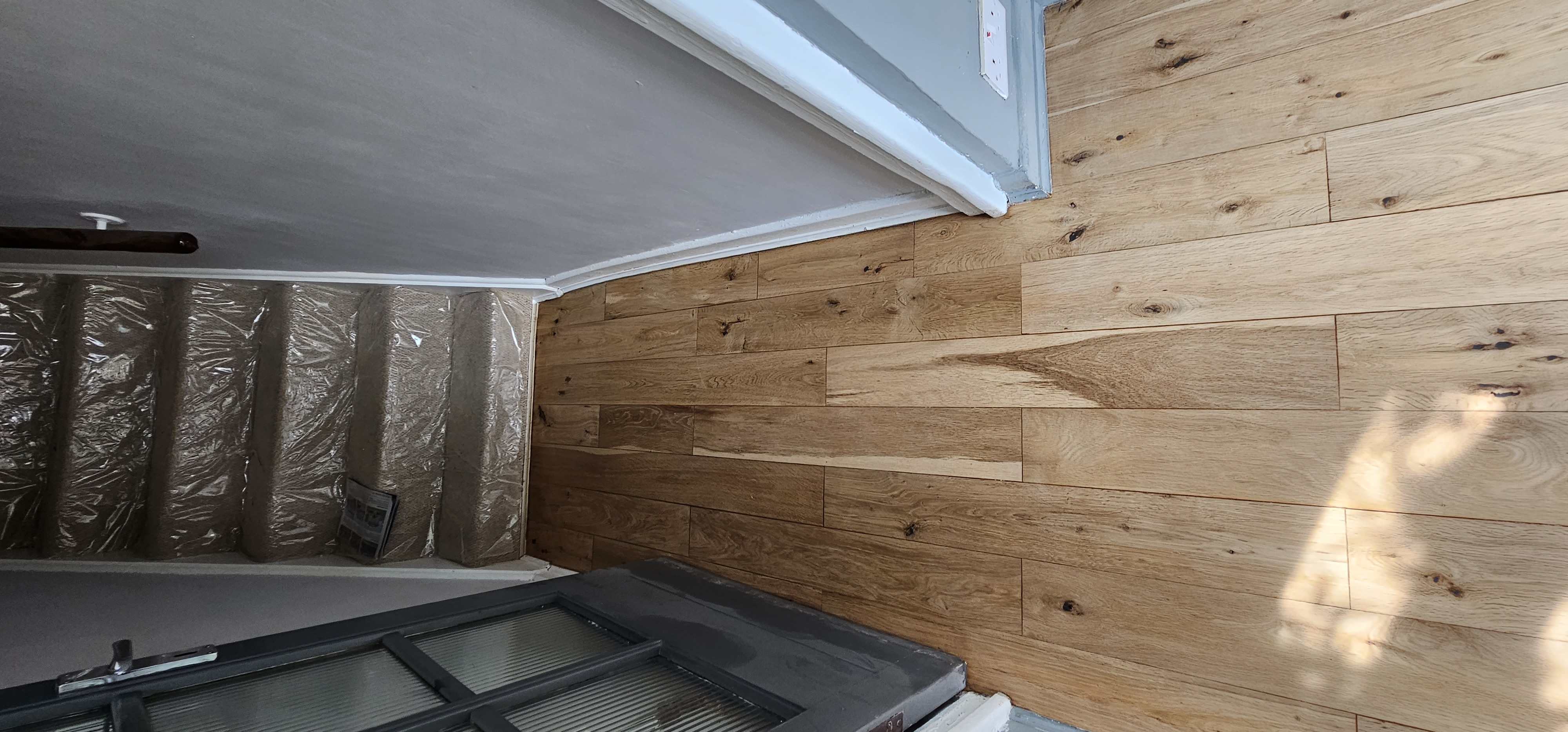
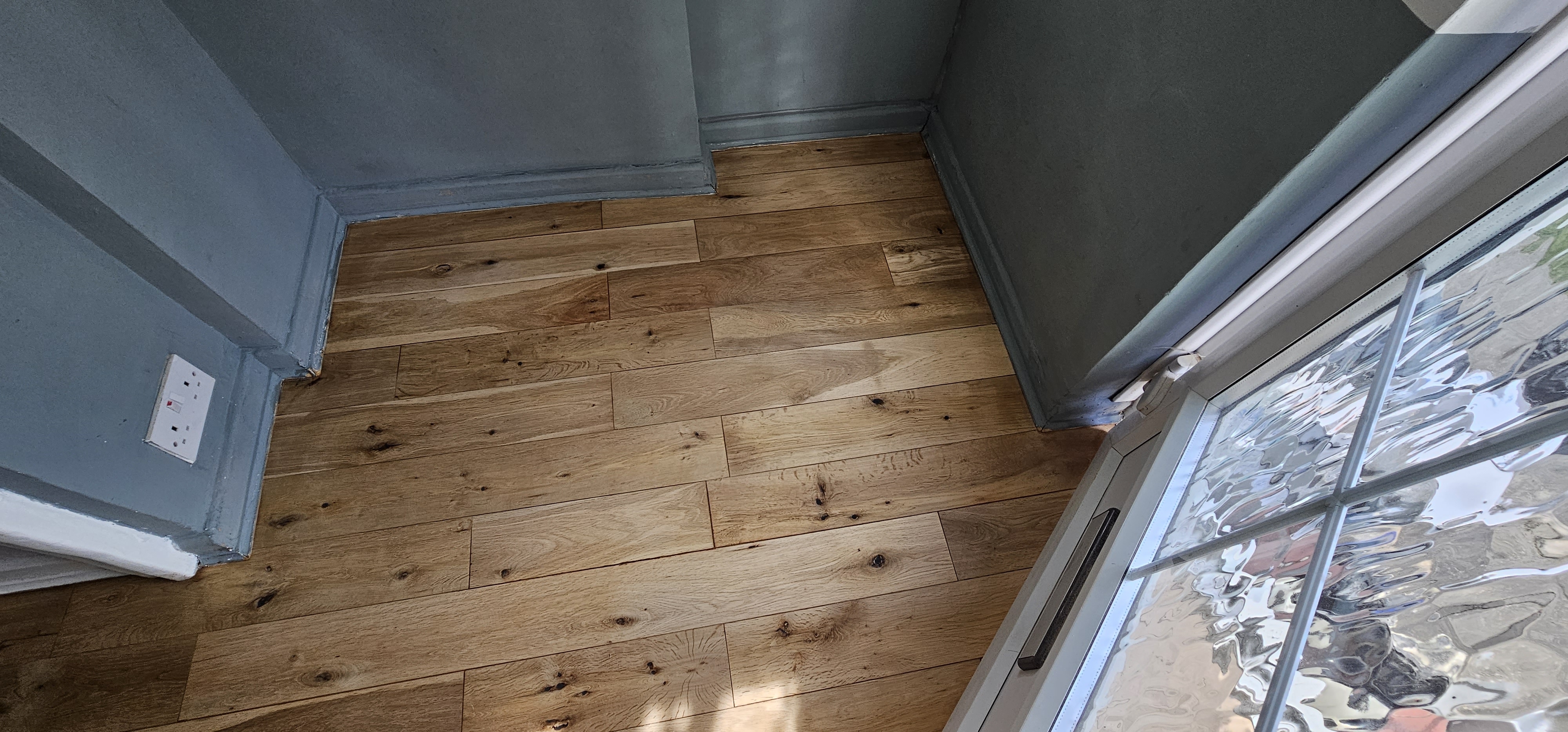
Dulwich Wooden Floor Restoration, SE21
This Victorian terraced property in Dulwich had undergone decades of wear and tear, with its original wooden floors covered in scratches, stains and dull patches. The owners wanted to restore the natural beauty of the boards without replacing them. We completed a full floor sanding across the ground and first floors, returning the wood to its original condition.
Work carried out
- Assessment of floor condition and wood type identification
- Removal of existing surface finishes and coatings
- Multi-stage sanding with progressive grit sizes
- Edge sanding of perimeter boards
- Stain removal and wood cleaning
- Application of protective finish
- Dust containment and site management
About the project
The Dulwich property contained original Victorian pine boards that had seen heavy use over more than a century. Previous owners had attempted various repairs and coverings, leaving a patchy surface with multiple finish types. Before sanding could begin, we needed to assess whether any boards required replacement. Most of the floor remained structurally sound, though three boards in the hallway showed signs of rot and had to be replaced with reclaimed pine to match the existing material.
Our approach involved three stages of sanding using increasingly fine abrasives, starting at 40 grit to remove old varnish and stains, moving through 80 grit for levelling, and finishing at 120 grit for a smooth surface ready for new coating. The work took five days in total. We used dust extraction equipment throughout the process, which contained airborne particles and minimised disruption to the rest of the house. Once sanding was complete, we applied two coats of hard wax oil, which provided durability while maintaining the natural appearance of the timber.
About our Dulwich Wooden Floor Restoration, SE21 service
Dulwich contains a significant stock of period properties, particularly Victorian and Edwardian terraced houses built between 1880 and 1920. Many of these homes retain their original wooden floors, which represent one of the property's strongest features. We work regularly across the area, restoring floors in converted townhouses, Victorian villas and period cottages. The typical floor comprises softwood boards, usually pine, laid as single or double widths with simple butt joints. Compared to Georgian properties further north, Dulwich floors tend to be in better condition overall, partly due to the slightly later construction date and partly because many owners have preserved rather than replaced them.
The village location means we encounter a mix of property types. Alongside period properties, we also work on newer builds and 1960s to 1980s conversions where wooden floors have been added during renovation. Modern properties in the area often feature engineered boards or composite materials, which require different approaches than traditional solid wood. Our team assesses each floor individually to determine the most appropriate treatment, whether that's restoration of original boards, repair work, or installation of new flooring where damage is beyond restoration.
Frequently asked questions
How much does floor sanding cost?
Sanding costs typically range from £25 to £45 per square metre, depending on floor condition, board type and the number of repairs needed. A Victorian terraced house with 50 to 60 square metres of flooring would cost between £1,250 and £2,700. Heavily stained or damaged floors require more careful work and fall toward the upper end of that range. We provide a fixed quote after assessing your specific floor.
How long does the work take?
Most sanding projects take three to five days. This includes preparation, multi-stage sanding, repairs to damaged boards and application of new finish. The drying time for protective coatings means you cannot use the floor for 24 hours after completion, though hard wax oil allows faster return to normal use than traditional varnish.
Is the dust-free process really dust-free?
Our process captures approximately 95 per cent of sanding dust using extraction equipment connected directly to the sanders. Some fine particles still settle on surfaces, so we recommend clearing items from rooms and closing doors to other areas. This method significantly reduces cleanup compared to traditional sanding and prevents dust from spreading through your home during the work.
Project Gallery